

Why pediatric airway expansion
Help Your Child Ages 6+ Breathe Easier and Grow Healthier
Is your child age 6 or older with breathing issues? A child’s airway plays a major role in how they sleep, learn, and grow. When breathing is easier, kids get deeper rest, more consistent oxygen, and better support for healthy development. Pediatric airway expansion gently guides growth so your child can breathe more comfortably, sleep more soundly, and feel better throughout the day.

✔ Healthier Breathing
Wider airways make nasal breathing easier and more natural for kids, improving oxygen flow and reducing the strain of chronic mouth breathing, snoring, or noisy sleep.
✔ Better Sleep and Focus
Steady airflow at night supports deeper sleep cycles, so children wake up more rested, with better attention, behavior, and emotional regulation during the day.
✔ Stronger Long-Term Development
Improved breathing supports balanced facial growth, healthier jaw development, and overall wellbeing — helping set the foundation for lifelong oral and airway health.
The Hidden Impact of a Small Airway
Why a Narrow Airway Matters for Kids
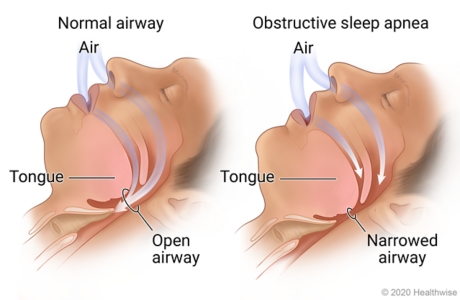
When a child’s airway is too small, their body has to work harder to get enough oxygen — especially at night. This doesn’t just affect their sleep. It can influence behavior, attention, mood, and how their face and jaws grow. Many children struggle for years before parents realize the airway may be at the root of the problem.
✘ Jaw and Posture Strain
To compensate for limited airflow, children often mouth breathe, push their head forward, or clench and grind their teeth. Over time, these adaptations can affect facial growth, posture, and may contribute to jaw discomfort or headaches.
✘ Restless Sleep and Nighttime Symptoms
A restricted airway can lead to snoring, noisy breathing, tossing and turning, bedwetting, or frequent waking. Instead of waking refreshed, kids may seem tired, wired, or irritable the next day.
✘ Whole-Body and Developmental Impact
Less oxygen during sleep can contribute to daytime sleepiness, trouble focusing, hyperactivity, and slower recovery from illness. A narrow airway doesn’t just affect nights — it can influence a child’s behavior, learning, and overall development.

Pediatric Airway Health
Signs Your Child May Benefit From Airway Expansion
Many airway and breathing issues in children show up as everyday sleep, behavior, or developmental concerns. Because these signs are often subtle, airway problems can go unnoticed without a focused evaluation.
- Mouth Breathing: Frequent mouth breathing during the day or while sleeping, even without congestion.
- Sleep Disruptions: Snoring, restless sleep, teeth grinding, or frequent nighttime waking.
- Daytime Behavior: Fatigue, difficulty focusing, irritability, or hyperactive behavior.
- Dental & Facial Development: Crowded teeth, a narrow palate, bite issues, or facial growth concerns.
Addressing the Root Cause
A Growth-Guided, Long-Term Solution
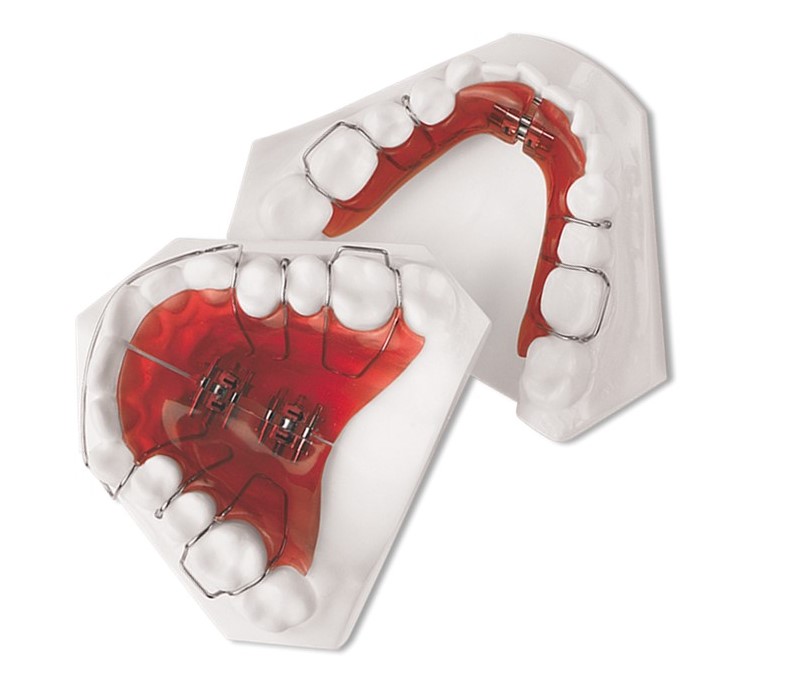
Pediatric airway expansion works by gently widening the upper jaw and airway as your child grows. This creates more room for the tongue, supports natural nasal breathing, and encourages balanced facial development. Unlike temporary devices that only manage symptoms, airway expansion addresses the underlying structure so improvements in breathing and sleep can last well into adulthood.

The Sleep Connection
Better Childhood Sleep Starts With a Clear Airway
Nighttime breathing affects how a child feels and functions every day. Short-term options like mouthguards or CPAP may reduce certain symptoms, but they don’t change how the airway is built. Airway expansion helps correct the underlying restriction, so your child can move more easily through deep sleep cycles, get consistent oxygen, and wake ready to learn, play, and grow.
A Note From Our Founder
Hi, I’m Dr. Kelly Standish-Mayo
In children, airway health and facial development are deeply connected. When the upper arch is too narrow, the tongue has less room, and kids are more likely to mouth breathe, snore, or struggle to get comfortable rest.
Our pediatric airway expansion approach gently widens the arches over time, creating space for nasal breathing and supporting healthier jaw and facial growth. This is about guiding development, not just straightening teeth.
As alignment and airway space improve, parents often notice calmer, more restorative sleep, easier breathing, better focus, and a smile that both looks and functions better. We aim to address the foundation so your child can thrive now and in the future.
Whether you’re concerned about snoring, mouth breathing, restless sleep, or the way your child’s face and jaws are growing, we can design a plan tailored to their needs and your family’s goals.
Dr. Kelly Standish-Mayo
North Florida Sleep & Airway
Dr. Kelly is one of only three dentists in Northeast Florida recognized as a Diplomate of the American Board of Dental Sleep Medicine, the highest distinction in dental sleep care.

Parent Education
What Parents Should Know About Pediatric Airway Expansion
Understanding your child’s airway and breathing health can feel overwhelming. This section answers common questions about pediatric airway expansion and explains what parents can expect throughout the evaluation and treatment process.
What is pediatric airway expansion?
How do I know if my child needs airway expansion?
What age is best for airway expansion?
Is airway expansion painful for children?
Can airway expansion help with snoring and sleep problems?
What happens if breathing issues are not treated early?
How long does pediatric airway expansion take?
Will my child still need braces after airway expansion?
Contact us
Call us
Locations
1700 Eagle Harbor Pkwy, Suite 7
Fleming Island, FL 32003
9822 Tapestry Park Circle Unit 104
Jacksonville, FL 32246
Hours
Monday 9am- 4pm
Tuesday 9am- 4pm
Wednesday 10am - 5pm
Thursday 9am- 4pm
Friday By Appointment
Saturday Closed
Sunday Closed