

A clearer path to better breathing
Answers to Common Questions About
Airway Expansion
Learn how treatment works, who may benefit, and what to expect. When you are ready to discuss your symptoms and options, schedule a consultation with
North Florida Sleep & Airway.
Jump to a topic
Browse airway expansion FAQs
Select a question below to go directly to the answer.
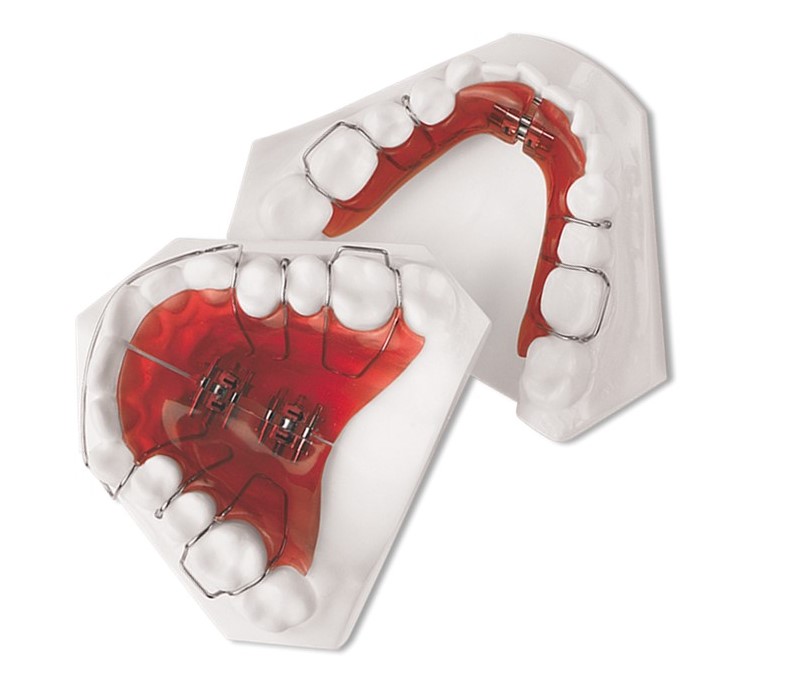
Airway expansion creates more space within the mouth, jaw, and nasal airway. Depending on the patient’s age, anatomy, and treatment needs, a provider may use an expansion appliance to gradually widen part of the upper jaw.
This additional space may support improved nasal airflow, healthier oral development, and better breathing during sleep. Airway expansion may also provide more room for crowded teeth, but its purpose extends beyond simply creating a wider smile.
Airway expansion may be appropriate for children, teenagers, or adults whose jaw structure limits the space available for the tongue, teeth, or nasal airway. However, symptoms alone cannot determine whether someone needs expansion. A complete evaluation is necessary to identify what is contributing to the problem and whether expansion is the right treatment approach.
Signs that may warrant an airway evaluation
An evaluation may be helpful when you or your child experiences one or more of the following:

Symptoms are only part of the picture
Mouth breathing, snoring, poor sleep, and nasal breathing difficulties can have several possible causes. They do not automatically mean that the upper jaw is too narrow or that airway expansion is needed. When symptoms suggest a possible sleep-related breathing disorder, appropriate medical evaluation or sleep testing may also be necessary.
What determines whether airway expansion is appropriate?
During an airway evaluation, the provider considers more than a single symptom or dental concern. The assessment may include the patient’s age and stage of growth, the width and shape of the dental arches, bite alignment, available tongue space, nasal breathing, dental development, and reported sleep symptoms. Imaging and digital measurements may also help identify structural restrictions and guide treatment planning.
Children and teenagers may benefit from evaluation while the jaws are still developing. Adults may also qualify for airway expansion, although mature bone structure often requires a different treatment method. In every age group, the goal is to recommend treatment based on the patient’s anatomy and needs—not symptoms alone.
If you have noticed persistent mouth breathing, snoring, crowded teeth, or difficulty breathing through the nose, an airway evaluation can help clarify what may be contributing to those concerns and whether expansion should be considered.
Schedule an Airway EvaluationA narrow upper jaw can reduce the amount of space available in the nasal cavity and mouth. When a patient’s anatomy contributes to restricted airflow, airway expansion may create more room for air to move through the nose and more space for the tongue to rest in a healthier position.
These structural changes may support easier breathing during the day and more stable breathing at night. The degree of improvement varies because snoring, mouth breathing, and disrupted sleep can have several possible causes.

Changes patients may notice
When restricted oral or nasal space contributes to breathing difficulties, successful treatment may help support:
Improvement depends on what is restricting airflow
Airway expansion is most likely to help when limited jaw or arch width contributes to the patient’s breathing concerns. Enlarged tonsils, nasal congestion, allergies, soft-tissue collapse, excess weight, and other medical or anatomical factors may also affect breathing and sleep. Expansion may therefore serve as one part of a broader treatment plan rather than the only treatment a patient needs.
How does creating more space affect breathing?
The upper jaw also forms part of the floor of the nasal cavity. When treatment widens a narrow upper jaw, it may increase the space available within the nasal passages and reduce resistance to nasal airflow. Expansion can also create more room in the mouth, allowing the tongue to rest more comfortably instead of competing with the teeth for limited space.
These changes do not guarantee that snoring or disrupted sleep will resolve. They address structural restrictions that may contribute to those symptoms. An airway evaluation helps determine whether the patient’s jaw, dental arches, nasal breathing, tongue position, soft tissues, or another factor may be affecting airflow.
When symptoms suggest sleep-disordered breathing or sleep apnea, the patient may also need an evaluation from a qualified medical provider and appropriate sleep testing. The results can help determine whether airway expansion should be used alone, alongside another therapy, or not at all.
If you or your child regularly breathes through the mouth, snores, struggles to breathe through the nose, or wakes feeling unrested, an evaluation can help identify whether limited airway space may be contributing.
Find Out What Is Affecting Your BreathingMost patients describe airway expansion as a feeling of pressure or tightness rather than sharp pain. Mild soreness may occur when an appliance is first placed or adjusted, but it should generally lessen as the mouth adapts.
The experience varies according to the patient’s age, anatomy, appliance, and treatment plan. Knowing which sensations are expected—and which ones are not—can make the adjustment period easier to manage.
What might you notice during treatment?
During the first few days or after an adjustment, patients may experience:
Pressure can be expected, but significant pain should not be ignored
Temporary pressure and mild soreness can occur as the mouth responds to treatment. Sharp pain, significant irritation, or discomfort that becomes worse instead of improving may indicate that the appliance needs attention. Patients should not attempt to bend, adjust, or repair an appliance unless their provider has specifically instructed them to do so.
How can patients make the adjustment period easier?
Following the provider’s instructions is the most important part of adjusting to an expansion appliance. Softer foods may feel more comfortable during the first few days, while careful brushing and appliance cleaning can help prevent trapped food and irritated gums. Patients should also follow the prescribed adjustment schedule rather than making additional adjustments in an effort to speed up treatment.
Speech may sound different at first because the appliance changes the amount of space available to the tongue. Reading aloud or speaking regularly can help the tongue adapt, and many patients notice that speech becomes clearer as they grow accustomed to the appliance.
When should you contact the office?
Patients should contact the treatment team if they experience severe or persistent pain, worsening sores, swelling, bleeding, difficulty eating, or an appliance that feels loose, damaged, or out of position. The office can determine whether the appliance needs adjustment and help prevent a minor issue from interfering with treatment.
Before treatment begins, the provider should explain how the appliance works, what sensations to expect, how to care for it, and when to ask for help. A personalized consultation can also address concerns about comfort before you or your child commits to treatment.
Learn What to Expect During TreatmentThe length of airway expansion treatment depends on the patient’s age, anatomy, treatment goals, and the type of appliance being used. Some patients may complete the active expansion phase within several months, while others may require a longer treatment period.
After active expansion, the appliance may need to remain in place for a stabilization period. This gives the surrounding bone and tissues time to adapt to the changes and helps maintain the newly created space.
A consultation provides a more accurate treatment timeline based on the patient’s individual needs.
Adults may be candidates for airway expansion. Although treatment is often associated with growing children, reaching adulthood does not automatically mean that nothing can be done about a narrow dental arch, limited tongue space, or structural concerns that may affect breathing.
Adult treatment requires a different approach because the jaw has finished most of its growth and the bones respond differently than they do during childhood. A comprehensive evaluation helps determine what type of change may be possible and whether expansion fits the patient’s breathing, dental, and sleep-related needs.

Why might an adult consider an airway evaluation?
Adults may seek evaluation because of concerns such as:
You have not necessarily “missed the window” for treatment
Childhood growth can make certain expansion methods more straightforward, but age alone does not determine whether an adult qualifies. Jaw structure, dental health, bone support, airway concerns, and treatment goals provide more useful information than the patient’s age by itself.
How is adult airway expansion different?
In a growing child, treatment can guide the developing jaw as it widens. In an adult, the provider must work with mature bone and fully developed oral structures. This can affect the type of appliance or technique used, the amount and location of expansion that can reasonably be achieved, and the overall treatment timeline.
Some adults may qualify for a removable or fixed expansion approach. Others may need a treatment method involving additional support or collaboration with an orthodontist, sleep physician, ear, nose and throat specialist, oral surgeon, or another healthcare provider. An evaluation determines which possibilities apply to the individual patient; not every approach is appropriate for every adult.
What does an adult evaluation consider?
The provider may assess the width and shape of the dental arches, bite alignment, tongue space, nasal breathing, gum and bone health, existing dental work, previous orthodontic treatment, and reported sleep symptoms. Imaging and digital measurements can help distinguish between changes involving the teeth and changes involving the underlying jaw structure.
Because snoring and disrupted sleep can have causes beyond jaw width, adults with signs of sleep apnea or another sleep-related breathing disorder may also need medical evaluation and sleep testing. Airway expansion may become one part of a coordinated treatment plan rather than a substitute for an appropriate diagnosis.
If you have lived with nasal breathing difficulties, mouth breathing, snoring, or a narrow smile, an adult airway consultation can help determine whether expansion is realistic and which treatment options merit consideration.
Schedule an Adult Airway ConsultationAirway expansion can change the width and shape of the dental arches, so patients may notice a broader smile or differences in the way their teeth fit together. Some patients may also notice subtle changes in facial balance, but the degree and location of those changes vary considerably.
Age, facial structure, treatment method, and the amount of expansion needed all influence the outcome. A provider should not promise that expansion will create a particular facial appearance.
What changes might a patient notice?
Depending on the treatment plan, possible changes may include:

The goal is a healthier structure—not a standardized appearance
Airway-focused treatment considers breathing, tongue space, jaw development, bite function, and dental health. Appearance remains an important part of treatment planning, but the goal is not to make every patient’s face or smile look the same. Recommendations should reflect the patient’s anatomy, functional needs, and personal concerns.
Why does age affect potential changes?
In children and teenagers, the jaws and facial structures are still developing. Expansion during this stage may help guide growth while creating room for the teeth and tongue. Changes in the smile or facial balance may therefore occur alongside the child’s natural growth, making it difficult to attribute every visible difference to the appliance alone.
Adults have mature facial bones, so treatment methods and expected changes differ. Adult expansion may primarily affect the dental arches and smile, although some methods can also produce skeletal or soft-tissue changes. The provider must evaluate what type of expansion is realistic before describing the likely outcome.
Will expansion straighten the teeth?
Expansion creates space or width, but it does not necessarily place every tooth into its final position. Some patients may need braces, clear aligners, or another form of orthodontic treatment to complete tooth alignment after or alongside expansion.
Temporary spacing can sometimes develop during active treatment as the arch widens. Whether that space closes naturally or requires orthodontic movement depends on the appliance, the patient’s teeth, and the overall treatment plan.
How can patients understand what to expect?
Clinical photographs, digital scans, measurements, and imaging can help the provider evaluate the current jaw and dental structure. These records also support a more specific discussion about which changes are intended, which changes are possible, and which outcomes cannot be predicted with certainty.
If you are concerned about how expansion could affect your appearance, discuss that concern before starting treatment. A consultation should address breathing and function while also considering how the treatment may influence your smile.
Discuss Your Treatment GoalsInsurance may cover part of airway expansion treatment, but coverage varies considerably. The answer depends on the patient’s plan, age, diagnosis, treatment method, and whether the insurer classifies the care as dental, orthodontic, or medical.
Two patients receiving similar treatment may have different benefits, deductibles, exclusions, or out-of-pocket costs. Patients should verify coverage for their specific treatment plan rather than assuming that an airway-related diagnosis guarantees payment.
What should you ask before treatment?
When reviewing benefits with the office and insurance provider, ask about:

Medical necessity does not automatically guarantee insurance coverage
A provider may determine that treatment is clinically appropriate, but the insurance company applies the terms, exclusions, and benefit limits in the patient’s policy. Prior authorization or a pretreatment estimate can provide useful information, but it may not serve as a final guarantee of payment.
Why can airway expansion fall into different benefit categories?
Airway expansion can address several types of concerns. A treatment plan may involve jaw structure, dental crowding, bite alignment, nasal breathing, or sleep-related symptoms. Because of this overlap, one insurer may process treatment under orthodontic benefits while another may classify part or all of the care differently.
The treatment method also matters. Coverage for an evaluation, imaging, appliance, orthodontic alignment, follow-up care, or related medical testing may come from different benefit categories—or may not be included in the patient’s plan. Asking for an itemized estimate can make those distinctions easier to understand.
What information may help with benefit verification?
The insurance provider may request treatment codes, clinical notes, imaging, measurements, a diagnosis, photographs, or an explanation of why the provider recommends treatment. When sleep-disordered breathing is involved, the insurer may also request medical records, sleep-study results, or documentation from another healthcare provider.
The office may be able to provide treatment information and supporting records, but patients should confirm benefits directly with their insurer. It is also helpful to record the date of the call, the representative’s name, and any reference number provided during the conversation.
What if insurance does not cover the full cost?
Patients can ask the office for an estimate of anticipated treatment costs and an explanation of what the quoted fee includes. They should also ask whether any payment arrangements or financing options are currently available for the recommended form of airway expansion.
A consultation provides the clinical information needed to develop a treatment plan. Once the provider knows which approach may be appropriate, the patient can have a more useful discussion about insurance benefits and financial responsibility.
Ask About Treatment and Payment OptionsBraces primarily move and align the teeth. Airway expansion is intended to create additional width or structural space within the jaw and oral cavity.
The two treatments may be used together, but they do not accomplish the same goal. Expansion may be recommended before or during orthodontic treatment when a patient has a narrow jaw, limited space for the teeth, or airway-related concerns.
A complete evaluation can determine whether the patient needs expansion, orthodontic alignment, another form of treatment, or a combination of approaches.
Our Airway Expansion 101 resource provides a more detailed introduction to airway development, expansion treatment, possible symptoms, treatment options, and what patients may experience during the process.
The guide can help you prepare for a consultation and understand the terminology used when discussing airway expansion. Because every patient’s anatomy and symptoms are different, educational information should be paired with a professional evaluation.
Take the next step
Ready to find out whether airway expansion is right for you?
A personalized consultation can help identify structural concerns, evaluate breathing and sleep symptoms, and determine whether airway expansion should be part of your treatment plan.
Schedule Your Consultation Explore Airway Expansion 101Contact us
Call us
Locations
1700 Eagle Harbor Pkwy, Suite 7
Fleming Island, FL 32003
9822 Tapestry Park Circle Unit 104
Jacksonville, FL 32246
Hours
Monday 9am- 4pm
Tuesday 9am- 4pm
Wednesday 10am - 5pm
Thursday 9am- 4pm
Friday By Appointment
Saturday Closed
Sunday Closed